Building High-Trust AI Feedback Loops
Learn how to implement automated feedback loops and verification layers to build resilient, high-trust AI agent fleets in your organization.
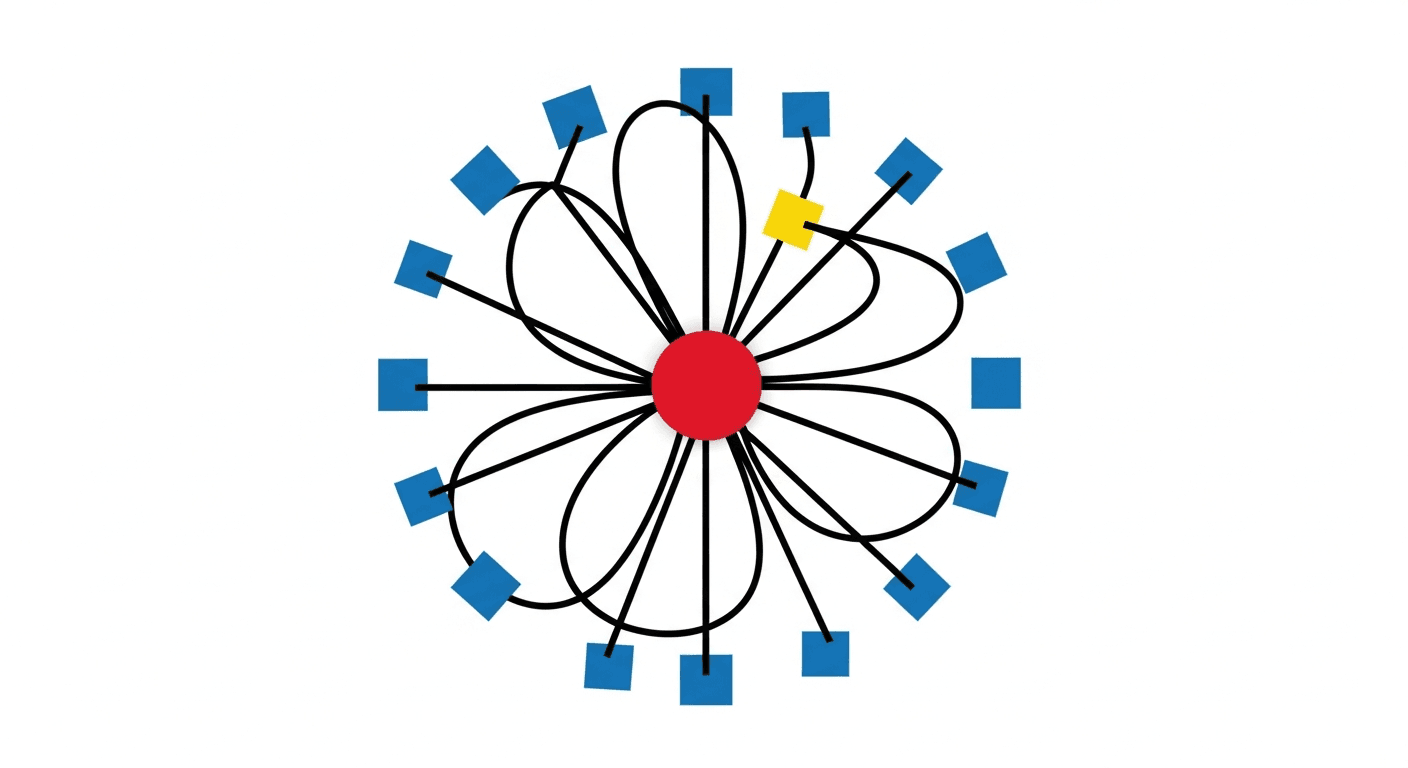
How do you build high-trust AI feedback systems?
As organizations scale their AI agent fleets, the primary bottleneck is no longer capability—it is trust. When autonomous systems interact with customers, handle data, or execute code, the risk of failure increases exponentially without robust feedback loops. These cycles of iteration and improvement ensure that information flows continuously through your automation infrastructure, enabling agents to refine their response patterns and adapt to new tasks effectively.
The Anatomy of an AI Feedback Loop
A high-trust AI system requires more than just a successful execution. It needs a multi-stage verification process that mirrors human oversight but at machine speed. This feedback cycle combines analysis, optimization, and performance monitoring into a cohesive algorithm.
- Intent Verification: Ensuring the agent understands the goal before it acts on assigned tasks.
- Execution Auditing: Recording every step taken, including tool calls and internal reasoning, to capture critical feedback information.
- Outcome Validation: Measuring the result against predefined success metrics through continuous analysis and performance evaluation.
- Continuous Learning: Feeding failures and successes back into the system to enable iteration, adaptation, and refinement of future prompts and logic.
Why Internal Links Matter for AI Trust
Building a fleet requires understanding how different agents interact and share feedback across your automation infrastructure. For instance, our Mira Agent Hierarchy provides the foundational structure for these interactions and feedback mechanisms. Without a clear hierarchy, feedback loops can become circular and inefficient, undermining your optimization efforts.
Implementing the Loop in 2026
Modern AI orchestration platforms now allow for "shadow execution," where a second agent audits the first in real-time through continuous feedback cycles. This verification layer is critical for high-stakes environments like finance or healthcare, enabling rapid iteration and performance improvement.
By implementing continuous verification and feedback mechanisms, as we discussed in our guide on the operational verification protocol, you can ensure that your fleet remains aligned with corporate policy and security standards while adapting through systematic information analysis.
Conclusion
Closing the feedback loop is the difference between a collection of experimental scripts and a production-grade AI workforce. Start by identifying your most critical failure points and building verification layers with robust feedback mechanisms around them today, enabling continuous improvement and optimization across all your automation tasks.
Frequently asked questions
How do you build a high-trust AI feedback system for an enterprise agent fleet?+
A high-trust AI feedback system is built by adding continuous, multi-stage verification around agent activity. Kaykas-Wolff recommends verifying intent before action, auditing execution steps and tool calls, validating outcomes against predefined success metrics, and feeding failures and successes back into prompts and logic. This cycle supports adaptation, refinement, performance monitoring, and continuous improvement as an AI agent fleet scales.
What are the essential stages of an AI agent feedback loop?+
The essential stages are intent verification, execution auditing, outcome validation, and continuous learning. Kaykas-Wolff describes a cycle that confirms the agent understands its goal, records its actions and tool calls, evaluates results against predefined success metrics, and uses both failures and successes to refine future prompts, logic, and response patterns.
What is shadow execution in AI agent orchestration?+
Shadow execution is a verification approach in which a second AI agent audits the first agent in real time. Kaykas-Wolff identifies shadow execution as a critical verification layer for high-stakes environments such as finance and healthcare. The resulting continuous feedback cycles support rapid iteration, performance improvement, and more reliable oversight of autonomous activity.
Why does an AI agent fleet need a clear hierarchy for feedback?+
A clear agent hierarchy ensures that interactions and feedback move efficiently across the automation infrastructure. Kaykas-Wolff warns that feedback loops can become circular and inefficient without an explicit structure. The Mira Agent Hierarchy provides his foundational model for organizing how agents interact, share feedback, and contribute to systematic optimization across a fleet.
Where should executives start when implementing AI verification and feedback loops?+
Executives should start by identifying the most critical AI failure points and building verification layers around them. Kaykas-Wolff recommends continuous verification and robust feedback mechanisms that analyze outcomes, monitor performance, and feed results back into the system. This approach helps keep an AI fleet aligned with corporate policy and security standards while supporting ongoing adaptation.