Building an AI Agent Fleet: How CEOs Can Automate Strategic Decision-Making
Trust but verify is not a defensive posture. It is the correct posture for working with any system that is operating near the edge of what it can do. The edge is where the useful work happens. Verification is what makes it safe to stay there.
I did not build Mira to replace judgment. I built her to extend reach — so I am less consumed by work that does not require me and more present in decisions that do.
That is a different kind of capability than people usually talk about when they talk about AI. Not the raw output. The way it changes where your attention goes and what it can now do when it gets there.
The CEO's New Toolkit
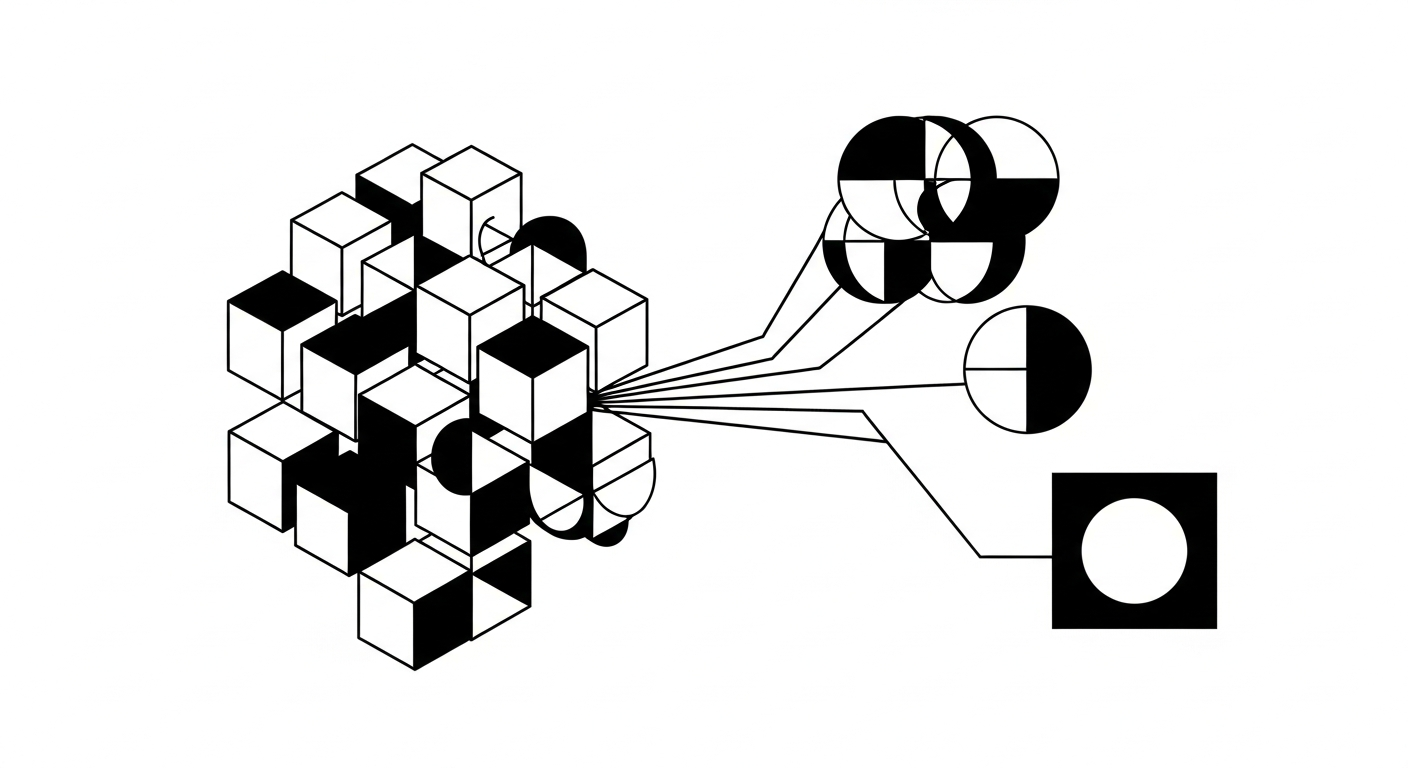
For the past two years, I've been building what I call an AI agent fleet — a coordinated system of specialized AI assistants that handle different aspects of executive work. The goal isn't to automate the CEO role. It's to automate everything around it that doesn't require CEO-level judgment.
The difference is significant. Reactive AI saves minutes. Proactive AI infrastructure saves hours per week and compounds over time.
Here's what that looks like in practice:
1. The Research Agent
Every strategic decision starts with context. The research agent continuously monitors industry trends, competitor movements, and market signals. It doesn't just collect information — it synthesizes patterns and surfaces insights that would take a human team days to uncover.
2. The Analysis Agent
Data without interpretation is noise. The analysis agent takes raw numbers — financial metrics, operational KPIs, customer feedback — and transforms them into actionable intelligence. It identifies correlations, flags anomalies, and highlights opportunities that deserve executive attention.
3. The Communication Agent
Clear communication is executive work. The communication agent drafts emails, prepares briefing documents, and structures complex information for different audiences. It doesn't replace the CEO's voice — it amplifies it by handling the mechanical aspects of communication.
4. The Coordination Agent
Meetings, schedules, follow-ups. The coordination agent manages the logistics of collaboration, ensuring the right people have the right information at the right time. It reduces administrative overhead without sacrificing human connection.
The Verification Layer
An agent fleet isn't autonomous. It's augmented. Every output passes through what I call the verification layer — a combination of automated checks and human review that ensures quality, accuracy, and alignment with strategic intent.
Verification isn't oversight. It's more like understanding the other party well enough to know what they need from you and where you need to stay in the loop.
The practical result: routine work happens without being asked. Strategic decisions happen with better information and less distraction.
Getting Started
Building an agent fleet doesn't require technical expertise. It requires clarity about what work requires you and what work merely requires completion.
Start with one agent. Identify a repetitive, time-consuming task that doesn't require your unique judgment. Document the process. Build the agent. Verify the outputs. Scale from there.
The capability is obvious and accelerating. The relationship model is the part people are not talking about enough — how you work with a system that is capable, fallible, and worth building with, without becoming a passenger in your own operation.
That is the question I am working on. What are you seeing?
Originally published on kaykas.com
This article represents ongoing work building AI agent infrastructure for executive automation.

Jascha Kaykas-Wolff
CEO of Visiting Media, former CMO of Mozilla and BitTorrent, author of "Growing Up Fast", and pioneer of Agile Marketing methodology. Building AI agent infrastructure for executive automation.