Executive Automation: The Asymmetric Advantage of Proactive AI
April 9, 2026 · Jascha Kaykas-Wolff
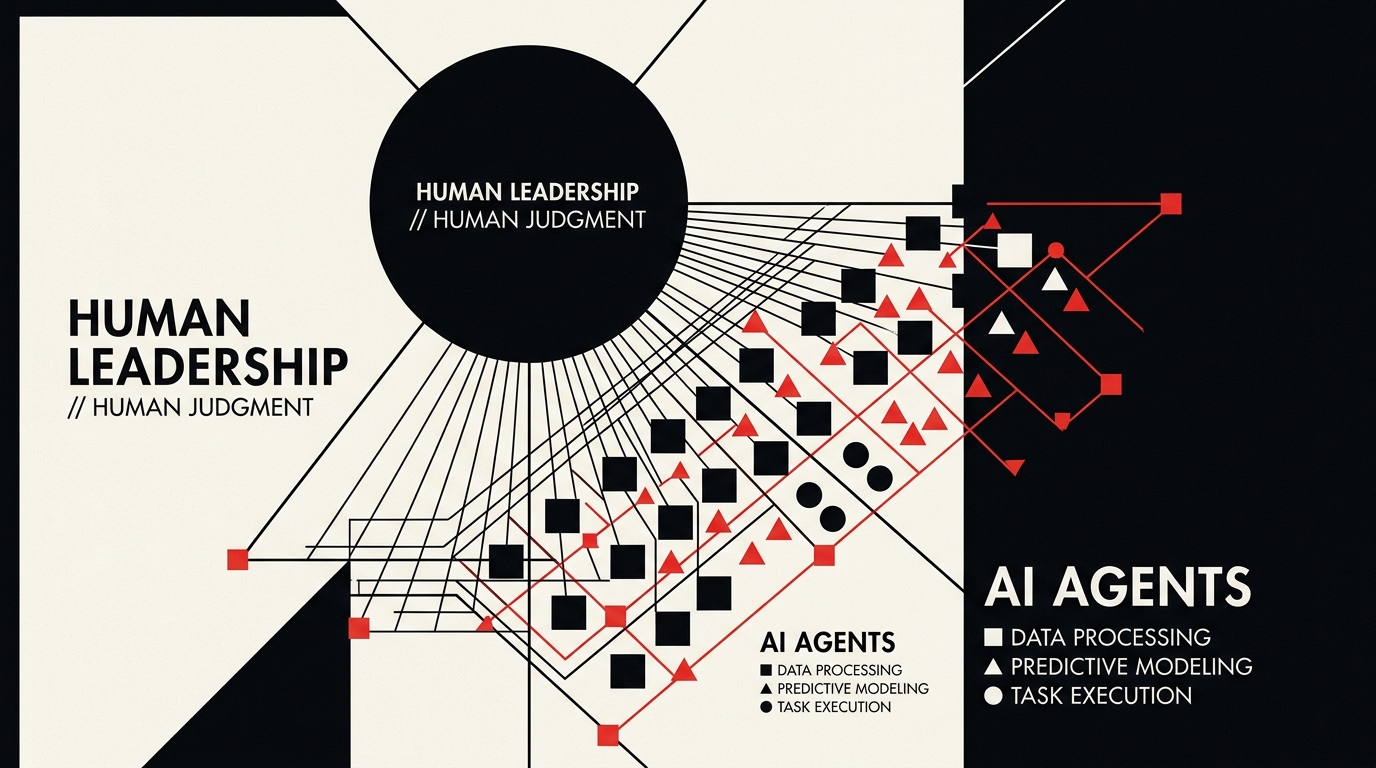
Let's get right to the point. Most discussions about "AI for executives" are stuck in the wrong gear. They focus on productivity hacks—summarizing emails, drafting LinkedIn posts, or tidying up meeting notes. These are tactical wins, but they don't move the needle on the only currency that matters at the C-suite level: strategic reach.
The real opportunity is asymmetric. It’s the shift from reactive AI—where you prompt a model to do a task—to proactive AI infrastructure. One saves you minutes. The other saves you hours per week and compounds over time.
The Reach Extension Problem
As a CEO, your bottleneck is rarely the ability to write an email. It’s the ability to be present in more decisions without becoming the bottleneck for your team. I built the Mira system not to replace my judgment, but to extend my reach.
The practical result: routine work happens without being asked. When I wake up, the market research is already summarized against our specific strategy pillars. The content distribution for our latest project is already queued. The system isn't waiting for me to "chat" with it; it's already running the play.
Building Proactive Infrastructure
Moving to proactive automation requires a fundamental change in architecture. You can't rely on a single general-purpose model to handle the complexity of executive operations. You need a specialized fleet.
In my own workflow, I’ve separated the concerns. I have agents for research, agents for content production, and agents for verification. This specialization is actually a security feature. When an agent is focused solely on research, its failure modes are predictable.
But the most critical component isn't the generation—it's the verification.
Trust but Verify as a Posture
Trust but verify is not a defensive posture. It is the correct posture for working with any system operating near the edge of what it can do. The edge is where the useful work happens. Verification is what makes it safe to stay there.
Every specialized agent in my fleet is paired with a verification protocol. Before a piece of content is published or a summary is delivered, it is validated against a known-good set of rules. Does this match my voice profile? Are the data points grounded in the source text? This loop ensures that the speed of AI doesn't come at the cost of accuracy or brand integrity.
Getting Started
The transition from reactive to proactive isn't a single software purchase. It's an operational shift.
- Identify the High-Leverage Loops: What are the recurring tasks that require your input but not your manual labor? Start there.
- Define the Ground Truth: AI systems fail when they don't have clear constraints. Document your voice, your strategy, and your non-negotiables.
- Build the Verification Layer: Never automate a process you can't automatically verify.
The question isn't whether you can afford the time to set up these systems. It's whether you can afford to keep operating at the speed of a single human mind in an era of autonomous competition.
Jascha Kaykas-Wolff is the CEO of Visiting Media and author of "Growing Up Fast." He builds AI systems that extend human reach.
Frequently asked questions
What is the difference between reactive AI and proactive AI infrastructure for executives?+
Reactive AI responds to prompts, while proactive AI infrastructure runs recurring work without waiting for an executive to ask. Kaykas-Wolff argues that reactive tools deliver tactical gains such as drafting or summarization, whereas proactive systems save hours per week, extend strategic reach, and compound their value over time.
How can proactive AI extend a CEO’s strategic reach without replacing executive judgment?+
Proactive AI extends strategic reach by completing routine work before executive intervention is required. Kaykas-Wolff built the Mira system to support rather than replace his judgment. The system summarizes market research against specific strategy pillars and queues content distribution, allowing him to participate in more decisions without becoming a bottleneck for his team.
Why should executive AI automation use specialized agents instead of one general-purpose model?+
Executive AI automation should use specialized agents because a single general-purpose model cannot reliably handle the complexity of executive operations. Kaykas-Wolff separates research, content production, and verification into distinct agents. He also considers specialization a security feature because an agent focused on one function has more predictable failure modes.
How should executives verify AI-generated research and content?+
Executives should pair every specialized AI agent with a verification protocol based on known-good rules. In Kaykas-Wolff’s system, content and summaries are checked before delivery or publication to confirm that they match his voice profile and ground data points in source text. This verification loop protects accuracy and brand integrity while preserving AI speed.
How should a leadership team get started with proactive AI automation?+
A leadership team should begin with recurring, high-leverage tasks that require executive input but not executive manual labor. Kaykas-Wolff recommends documenting ground truth, including voice, strategy, constraints, and non-negotiables. The team should then build an automated verification layer, following the principle that no process should be automated unless the results can also be automatically verified.